


How to Verify Genuine Φ60 Steel Pipes
Ensuring that Φ60 steel pipes are genuine and meet industry standards is essential for safety, durability, and accurate project costing. Fake or low-quality pipes can lead to structural failures, corrosion problems, and unexpected maintenance costs. Below are the key methods to identify authentic Φ60 steel pipes before purchasing or using them.
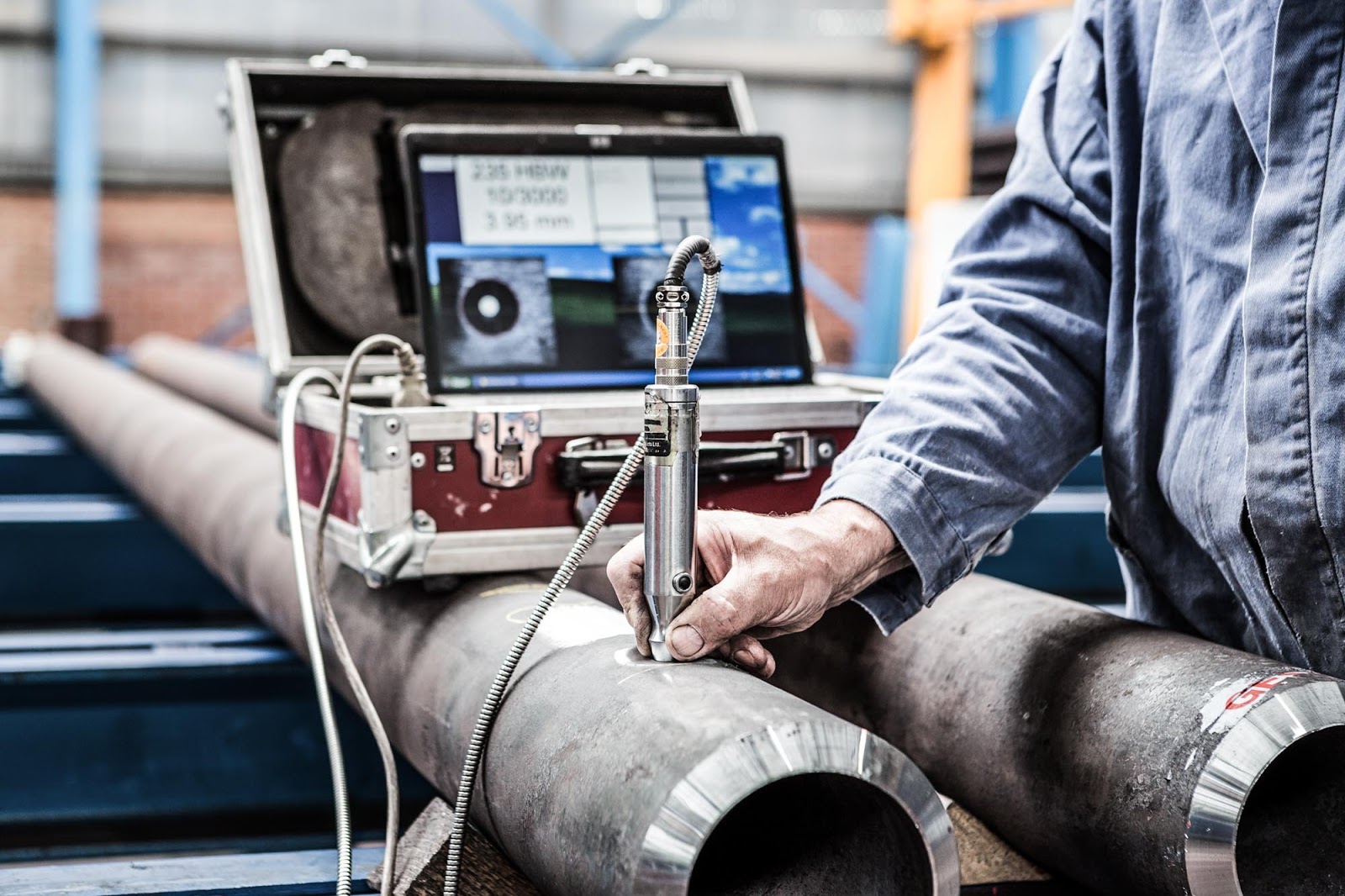
1. Check the Manufacturer’s Markings
Genuine steel pipes always include clear and permanent markings printed or embossed along the pipe’s surface. These markings typically include:
- Manufacturer’s name or logo
- Pipe size (Φ60)
- Wall thickness
- Steel grade (e.g., Q235, SS400, ASTM A53)
- Production batch or heat number
- Standard compliance (e.g., ASTM, JIS, ISO)
If the pipe has no marking, unclear characters, or inconsistent information, it is likely not authentic.
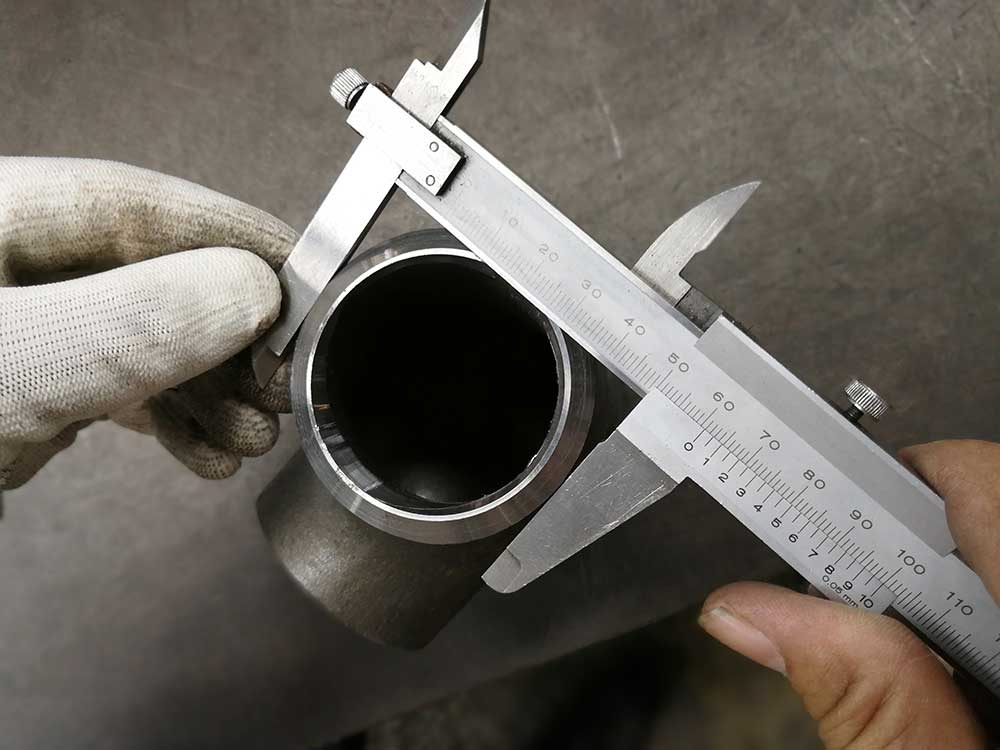
2. Measure the Pipe Dimensions
A real Φ60 pipe will have accurate and consistent dimensions:
- Outer diameter (OD) should be 60 mm
- Wall thickness must match the specification stated on the product
- Roundness and straightness should be uniform along the entire length
Use a caliper or micrometer to measure.
Large deviations often indicate poor-quality or counterfeit products.
3. Check the Surface Quality
Authentic steel pipes have:
- Smooth, uniform surface
- Even zinc coating (for galvanized pipes)
- No rust, dents, cracks, or welding defects
- Clean internal surface without residue
Pipes with many surface defects may be rejected or low-grade products sold as “genuine.”
4. Request the Mill Test Certificate (MTC)
A genuine manufacturer always provides a Mill Test Certificate (3.1 certificate) including:
- Chemical composition of the steel
- Mechanical properties
- Heat number
- Production date
- Standard applied
- Factory quality seal
If the supplier cannot provide this certificate, the pipe’s authenticity is questionable.
5. Verify Compliance With International Standards
High-quality Φ60 steel pipes must follow standards such as:
- ASTM A53 / A500
- EN 10219 / EN 10255
- JIS G3444
- ISO standards
Non-standard pipes often have poor durability and do not pass load or pressure testing requirements.
6. Compare Weight Against Theoretical Weight
Each pipe size has a theoretical weight per meter.
If the actual pipe is significantly lighter, the manufacturer may have used thinner steel or lower steel density.
Lighter weight than expected = low-quality or fake steel.
7. Buy From Reputable Suppliers
To avoid counterfeit products:
- Choose certified distributors
- Avoid unusually low prices
- Request inspection reports
- Check customer feedback or brand reputation
- Inspect warehouse storage conditions
Reliable suppliers always allow inspection before purchase.
Conclusion
Verifying genuine Φ60 steel pipes requires a combination of visual inspection, measurement, documentation checks, and supplier verification. By paying attention to markings, dimensions, surface condition, and certification, you can confidently identify high-quality, authentic steel pipes and avoid the risks associated with fake or substandard products.
Editor: Sat Thep Loc Thien