


Common Types of Φ76 Steel Pipes on the Market and Their Applications
Φ76 steel pipes (76mm diameter) are widely used in construction, mechanical engineering, manufacturing, and industrial systems. Depending on production methods and material grades, these pipes come in several types, each offering unique advantages and suitable applications. Below is an overview of the most common types of Φ76 steel pipes available today and how they are used in real-world projects.
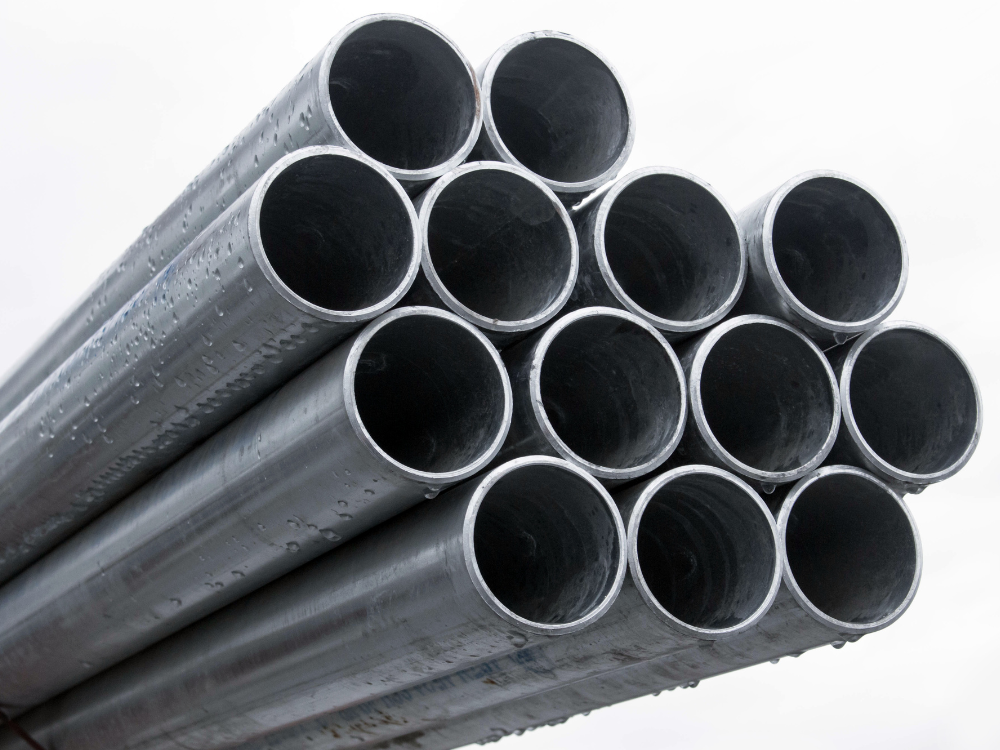
1. Seamless Φ76 Steel Pipes
Characteristics
- Manufactured without welding, using hot-rolled or cold-drawn processes
- Smooth internal and external surfaces
- High pressure and temperature resistance
- Excellent durability and uniform structure
Common Applications
- High-pressure boilers and heat exchangers
- Oil and gas pipelines
- Hydraulic and pneumatic systems
- Mechanical parts requiring high precision
2. ERW Φ76 Steel Pipes (Electric Resistance Welded)
Characteristics
- Produced by welding steel strips using electric resistance
- Straight and uniform weld seam
- Cost-effective and widely available
- Suitable for medium-pressure applications
Common Applications
- Water supply and drainage systems
- Structural frames, scaffolding, and industrial supports
- Furniture frames and mechanical structures
- Agricultural and irrigation systems
3. SSAW Φ76 Steel Pipes (Spiral Submerged Arc Welded)
Characteristics
- Welded in a spiral pattern
- Strong weld seams
- Flexible length options
- Typically used for larger diameters, but available in Φ76 for specific needs
Common Applications
- Low-pressure fluid transportation
- Construction foundations
- Piles and structural reinforcements
4. Galvanized Φ76 Steel Pipes (Hot-Dip or Electro-Galvanized)
Characteristics
- Surface coated with zinc to prevent rust
- Long-lasting corrosion resistance
- Available in seamless, ERW, or welded types
Common Applications
- Outdoor structures exposed to weather
- Fencing frames, handrails, guardrails
- Water pipes and fire-fighting systems
- Greenhouse frames and agricultural buildings
5. Black Steel Φ76 Pipes (Non-Galvanized)
Characteristics
- Raw steel surface without zinc coating
- Lower cost
- Can be painted or coated depending on use
- Strong and easy to weld
Common Applications
- Indoor water and gas piping
- Industrial machinery
- Structural steel frameworks
- Automotive and mechanical components
6. Stainless Steel Φ76 Pipes
Characteristics
- Made from stainless steel grades such as 304, 316
- Highly resistant to corrosion and chemicals
- Attractive surface finish
- Suitable for hygiene-sensitive or harsh environments
Common Applications
- Food and beverage processing
- Pharmaceutical and medical equipment
- Marine environments and chemical plants
- Decorative construction elements
Conclusion
The Φ76 steel pipe market offers a wide variety of options, each tailored for specific technical requirements:
- Seamless pipes for high-pressure and precision applications
- ERW pipes for structural and general industrial use
- SSAW pipes for low-pressure and foundation projects
- Galvanized pipes for corrosion-resistant outdoor applications
- Black steel pipes for indoor mechanical and construction uses
- Stainless steel pipes for hygiene and chemical resistance
By understanding the strengths and applications of each type, businesses and engineers can choose the most suitable Φ76 steel pipe to ensure durability, efficiency, and safety.
Editor: Sat Thep Loc Thien